
I knew Whiskey Live Dublin would feel different before I walked through the doors.
Not because of the venue, the glassware, the familiar stands, or the first pour placed into my hand. I have been attending this show for ten years now, and those things have become part of the rhythm of it. The RDS. The crowd. The hum of voices building across the room. The slightly giddy feeling that, for a few hours at least, Irish whiskey is not an industry or a category or a line on an export report, but a living thing made of people.
What felt different this year came before the show.
It came in the messages. The conversations. The people I expected to see who were not coming. The brands and distilleries that, not so long ago, would have treated Whiskey Live as an essential stage but were absent this time. Some because of cost. Some because of reorganisation. Some because there was simply nothing new to show. Some, I suspect, because there are only so many times you can stare at a spreadsheet and hope it starts telling a kinder story.
That is not a criticism of Whiskey Live Dublin. If anything, the show remains one of the great gatherings of Irish whiskey: generous, open, chaotic, warm and still capable of giving someone a glass of something they will talk about for years.
But after a decade of watching Irish whiskey tell the world what it might become, this year felt like something else.
It felt like Irish whiskey had arrived at the hard part.
Ten years ago, the mood was almost impossible not to be swept up in. There was theatre, belief, noise, ambition and a glorious degree of “why the hell not?” about the whole thing. New names arrived with stories. Old categories were being re-examined. Pot still was being defended, reimagined and occasionally shouted about. There was a sense that Irish whiskey had been unfairly written out of its own history and was now going to write itself back in.
And in many ways, it did.
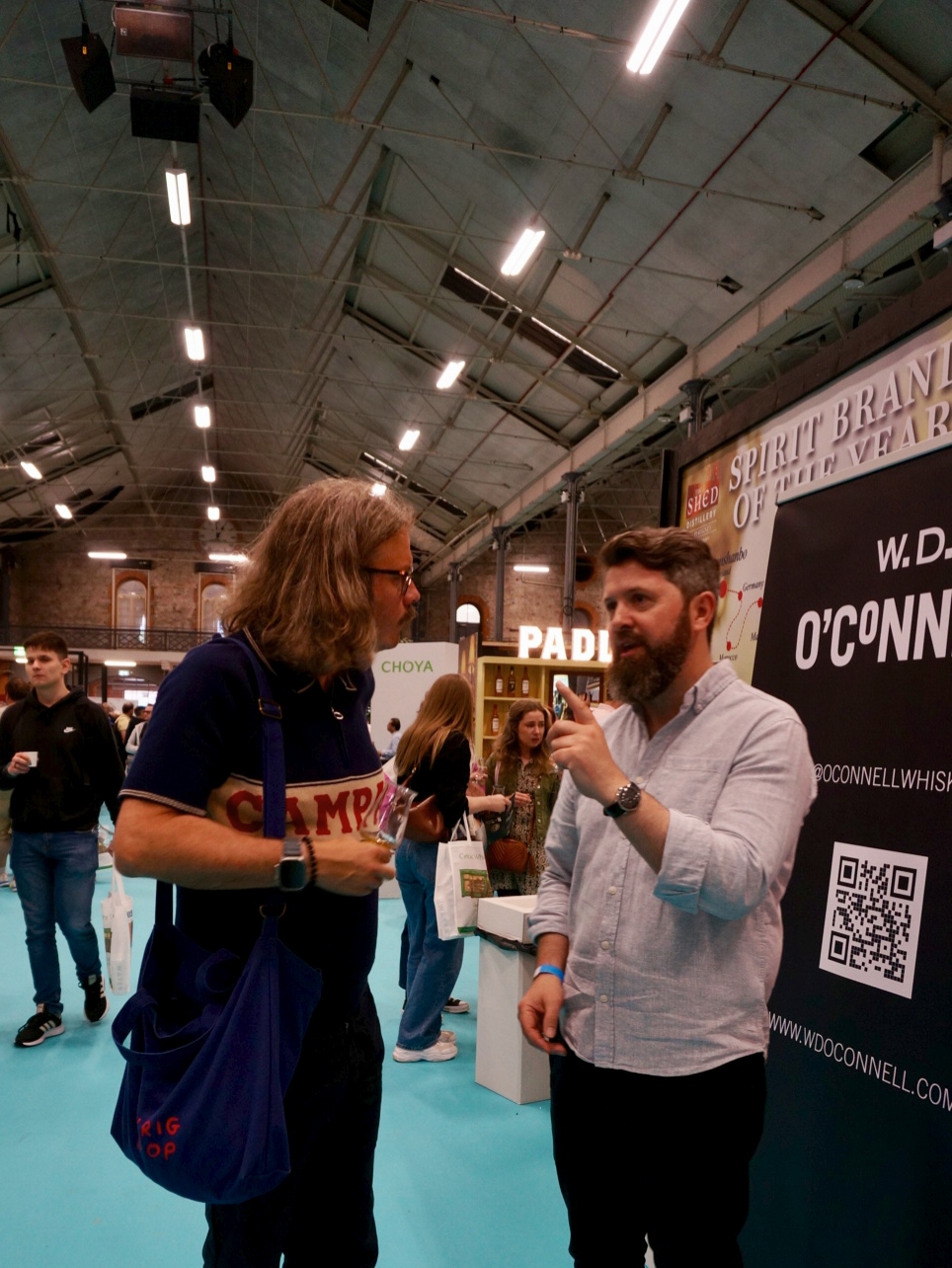
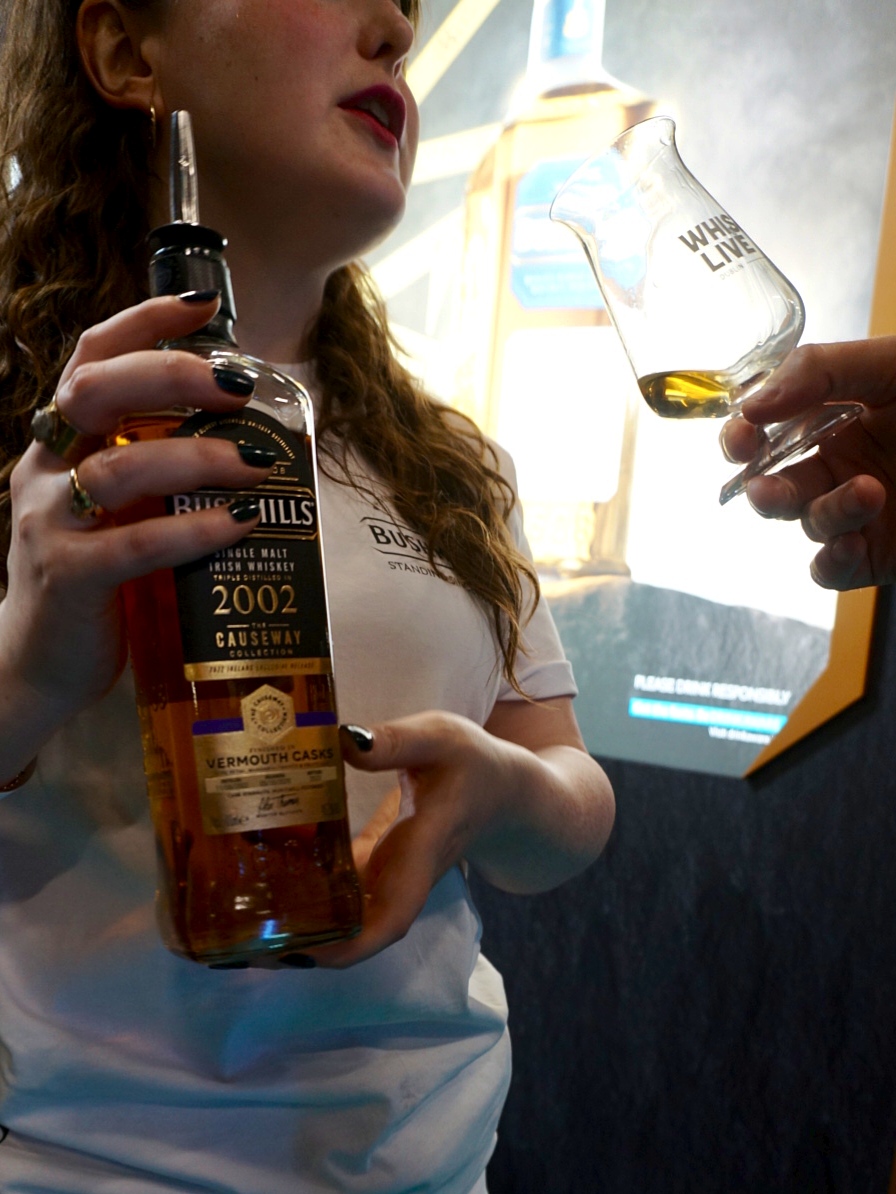
The modern Irish whiskey renaissance is not a fantasy. It happened. It is still happening. Teeling helped give it a Dublin face and a founding story with real commercial weight behind it. Irish Distillers continued to give the category its backbone through brands of genuine depth and global importance. Bushmills, under relatively new ownership, has become a serious player again in ways that feel increasingly confident. Independent bottlers such as W.D. O’Connell and Two Stacks have helped prove that Irish whiskey can be playful, selective, modern and geeky without losing itself.
But the difficult thing about any boom is that belief and overbelief can look almost identical while you are living through them.
The people who make it are later called brave. The people who do not are quietly recast as naïve. But in the moment itself, from inside the room, it is rarely that clean. It is a short loop from excitement to confidence to overconfidence, and almost nobody notices exactly where the line was crossed until much later.
A hundred years from now, if Irish whiskey gets the future so many people once imagined for it, this period will be tidied up. The fear, the overstock, the failed raises, the quiet stand absences, the brands that almost made it, the ones that did not, the ones that had to pause, sell, merge, rethink or simply endure — all of it will be compressed into a smoother story.
That is what history does. It edits. It forgives success and simplifies failure.
But standing in the room now, while the thing is still happening, nothing feels smooth.
Waterford hangs over any serious conversation about Irish whiskey. I have written about it elsewhere, and this is not the place to retell that whole story, but its entry into receivership changed the emotional weather. It proved that intelligence, ambition, stock, critical admiration and a fiercely argued philosophy were not, by themselves, enough.
That matters. Not because Waterford was the only warning sign, but because it was one of the names people assumed would bend the conversation around Irish whiskey rather than be broken by it.
Then there is Roe & Co, which at Whiskey Live had all the surface signals you would expect: polish, presence, good whiskey, a large-company confidence. And yet production at the distillery has been paused. From the outside, the swan still glides. Underneath, the feet are doing something far more complicated.
That is the part we do not always want to talk about. Whiskey is romantic, until the invoices arrive. It is history, until you have to move stock. It is liquid storytelling, until the market softens, tariffs bite, consumers trade down, distributors lose patience, interest rates rise, energy costs increase, and every bottle on every shelf has to justify why it deserves to be there.
I thought a lot about Blackwater this year.
Peter Mulryan has long been one of the more important, awkward and necessary voices in Irish whiskey. A gadfly, in the best sense. Someone willing to challenge easy narratives around pot still, tradition and what Irish whiskey should be allowed to become. Blackwater not being there stayed with me. Not because one absence defines a show, but because some absences speak louder than others.
Still, this is not a piece about despair.
Because once inside the room, what struck me was not the end of anything. It was the effort. The showing up. The sheer stubbornness of people still pouring, explaining, listening, smiling, correcting, persuading and occasionally pulling something from under the counter with the grin of someone who still believes that whiskey can surprise you.
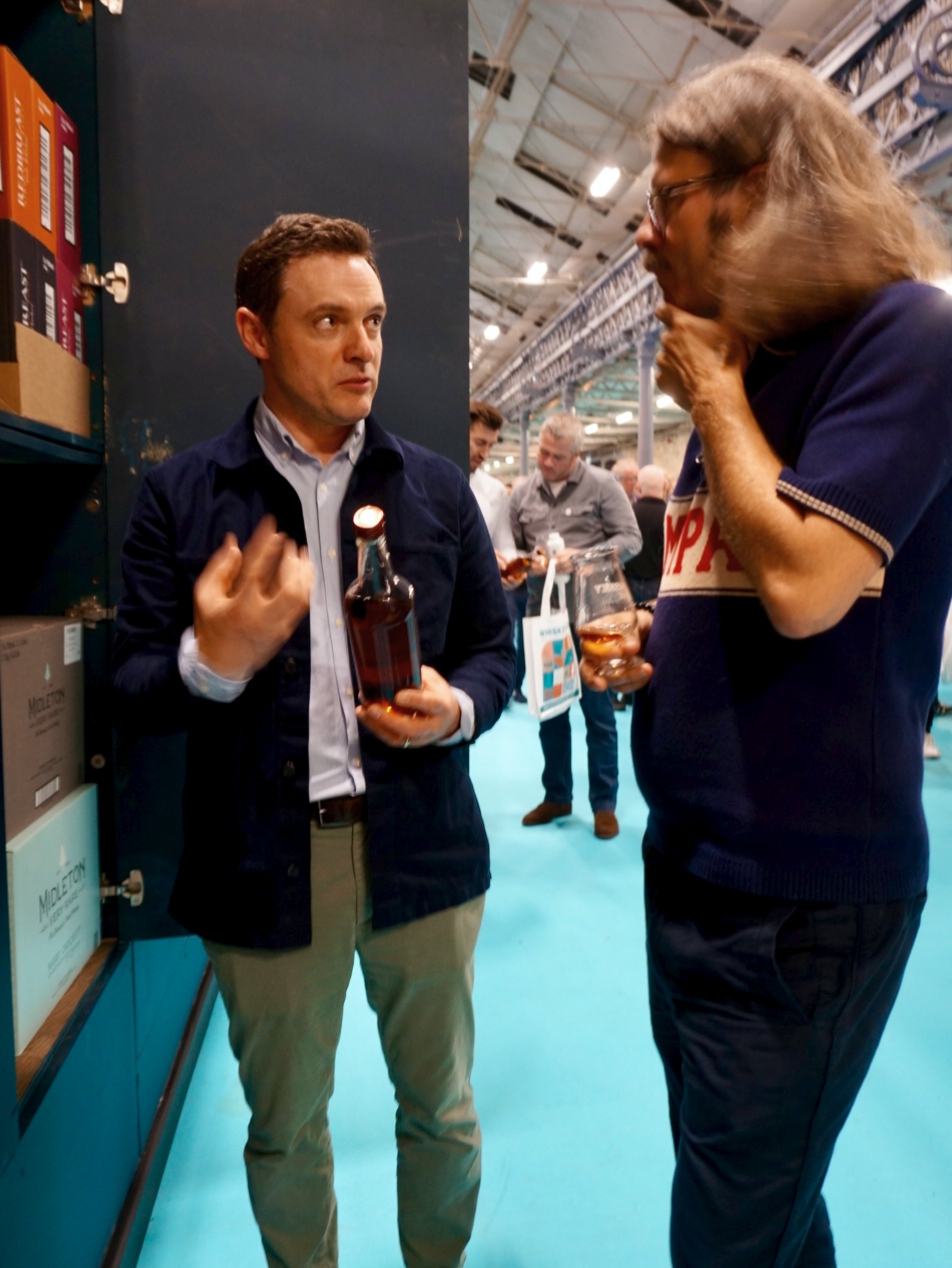
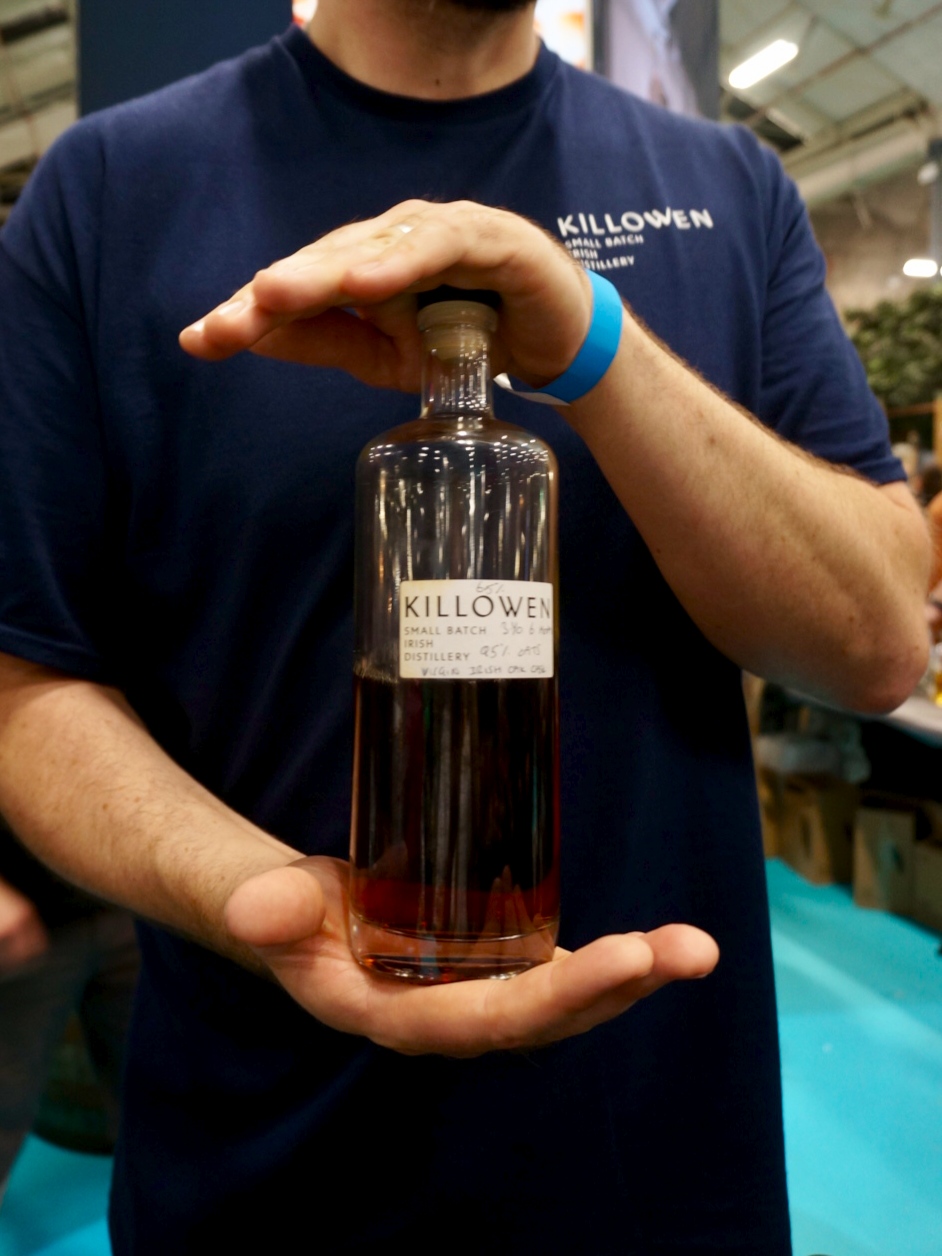
Killowen felt, as Killowen often does, like one of the places where the deep past and the slightly unhinged present can somehow share a glass. Listening to the thinking behind one of its young whiskeys, and then tasting something so characterful at such an early age, was a reminder that small does not have to mean timid. It can mean focused. It can mean fast-moving. It can mean alive.
Ardara was another of the most reassuring tastes of the weekend. Heavily smoked Irish whiskey remains rare enough to feel like a provocation, but this did not feel like imitation Islay. It had something of Donegal about it: remote, coastal, slightly dangerous, almost as though you were tasting a memory that had been stored somewhere damp and dark and only recently brought back into the light.
Tipperary, too, mattered to me. Seeing Jennifer and Stuart Nickerson there felt like continuity. There is not much glamour in quietly holding the line with a small farm distillery, letting stock mature, making careful decisions and resisting the temptation to shout louder than the liquid can justify. But that is exactly the kind of work that may matter most in the long run.
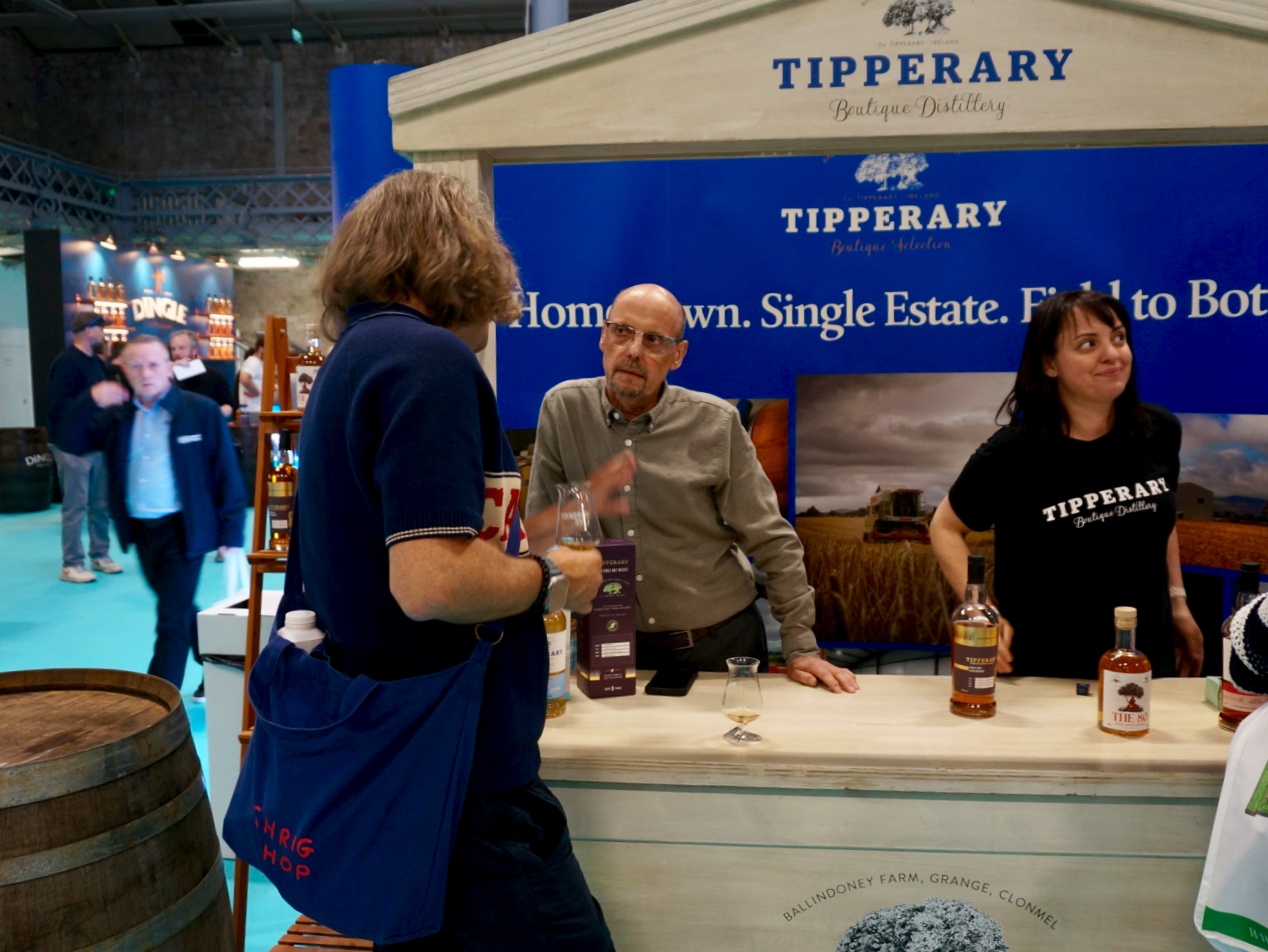
Photo: Andrea Sohlström
And then there is Echlinville. I know Jarlath Watson and Steve well, and there is something quietly encouraging about the way that team keeps moving forward. It does not have the pizazz of Teeling, but it has a lovely distillery, serious people and a growing record of putting proper whiskey into the world without needing to turn every release into theatre.
That balance matters.
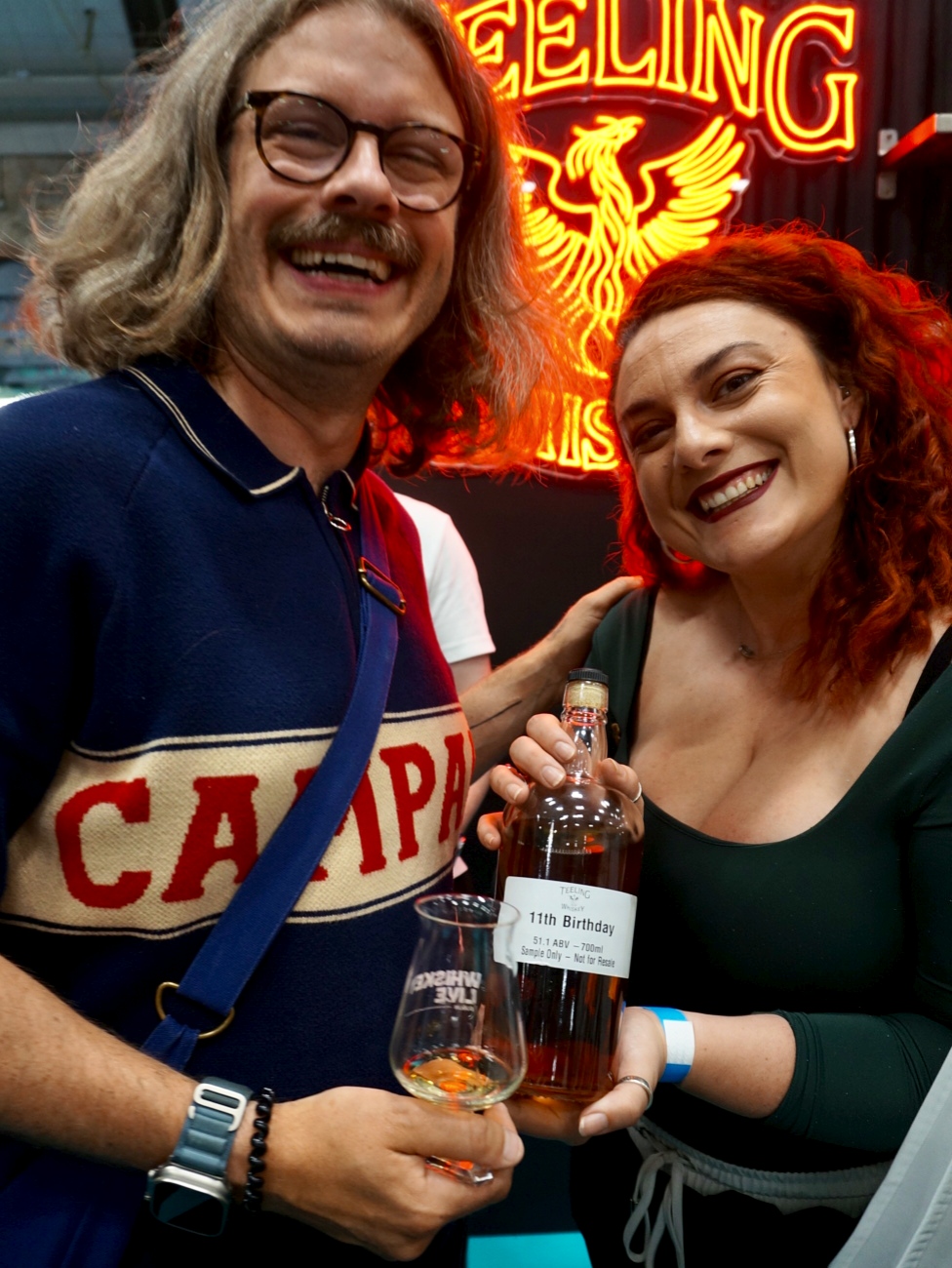
Irish whiskey needs the Teelings of this world. It needs the scale, the symbolism, the Dublin story, the fact that Jack and Stephen helped prove something vital at a time when the category needed proof. But Teeling now sits in a different orbit to most of the smaller producers, especially with Bacardi behind it. That is not a criticism. It is just reality. Some are trying to build legacy from a position of scale. Others are still trying to survive long enough to have the chance.
The crowd may not have known all of this. In fact, I suspect most did not. They were there for a good day out, as they should have been. They asked basic questions. They tried things. They laughed. Some drank with admirable curiosity, some with less admirable balance. But the room was full of genuine affection for Irish whiskey, and I think that matters more now than it might have a few years ago.
When times are easy, enthusiasm can feel like background noise. When times are hard, it becomes oxygen.
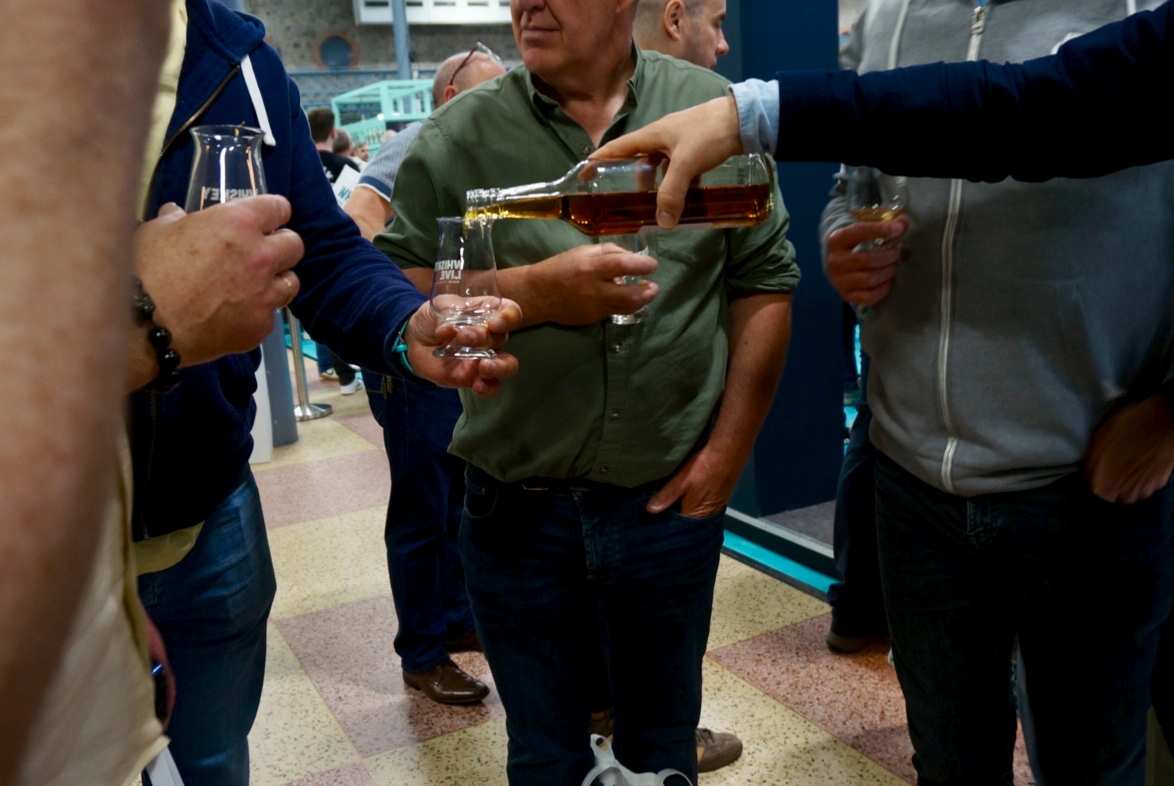
Photo: Andrea Sohlström
For the producers, importers, ambassadors, bottlers and distillers standing behind those tables, it must have been heartening to be reminded that the public is not only interested in the drama, the warnings, the receiverships and the pauses. People still want to taste. They still want to learn. They still want to find something they love and tell someone else about it.
That does not fix the spreadsheet. It does not pay the warehouse bill. It does not open the American market, reduce debt, restore lost margin or guarantee that everyone currently fighting for a place in Irish whiskey will still be here in five years’ time.
But it is not nothing.
In fact, it may be the reason the fight is still worth having.
The fantasy version of the Irish whiskey boom is over. Good. It had to end. The idea that every new distillery, every new brand, every revived mash bill and every well-designed label would be lifted together by the same rising tide was beautiful, useful and, eventually, insufficient.
What comes next is harder, but it may also be more meaningful.
This is where Irish whiskey stops being carried by promise alone. This is where patience, money, judgement, liquid, distribution, humility and endurance start to matter more than launch stories. This is where some names fade, some adapt, some are rescued, some become footnotes, and some begin the long, unglamorous work of becoming permanent.
That is not failure. That is whiskey.
The boom is over. Long live the boom.
Because if Irish whiskey is going to last, really last, then this part of the story matters too: the tired faces, the missing stands, the brave smiles, the under-the-counter pours, the difficult conversations, the young liquid that tastes better than it has any right to, and the people who still come through the doors because they believe there is something in the glass worth caring about.
I still believe that too.
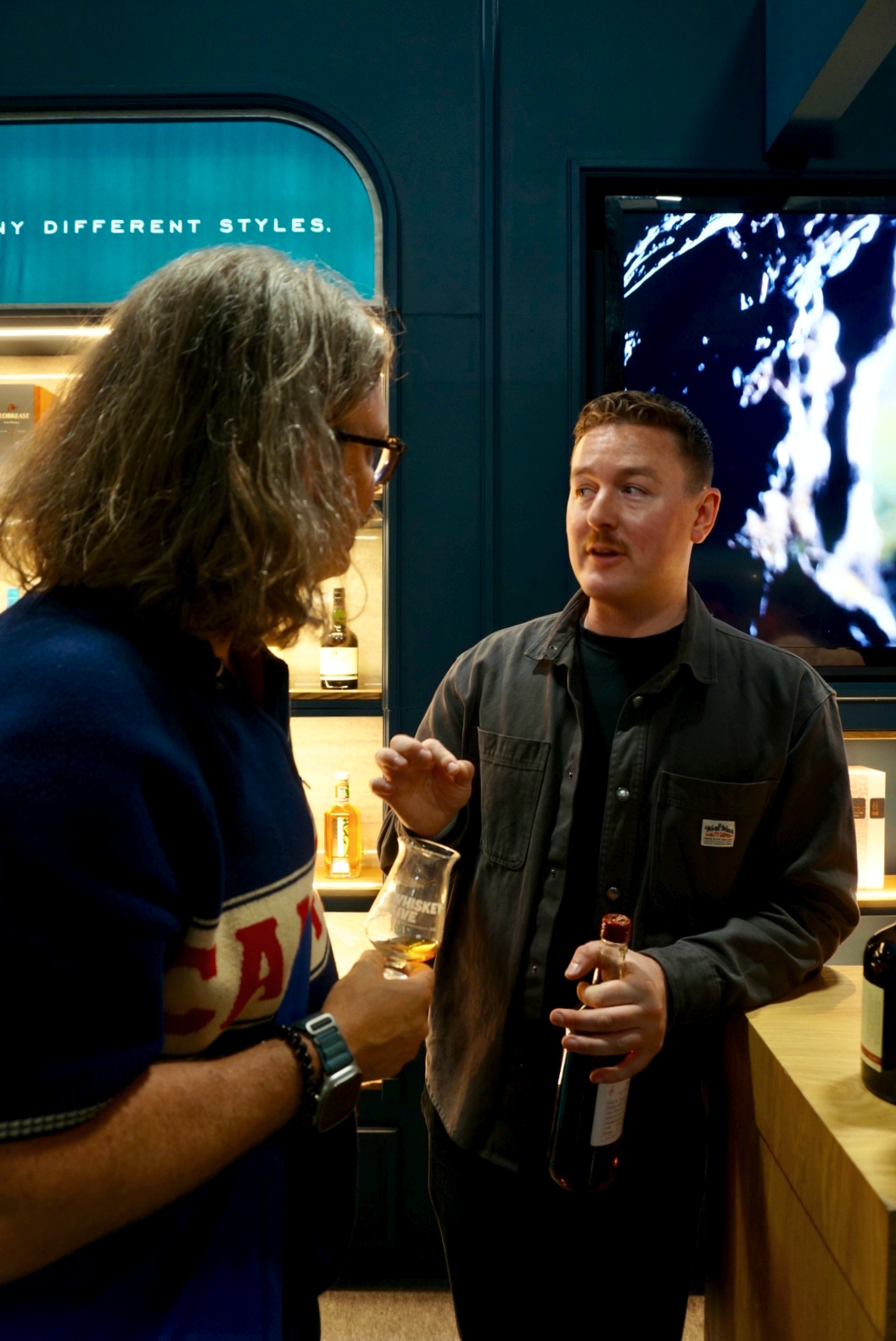
Scenes from Whiskey Live Dublin 2026
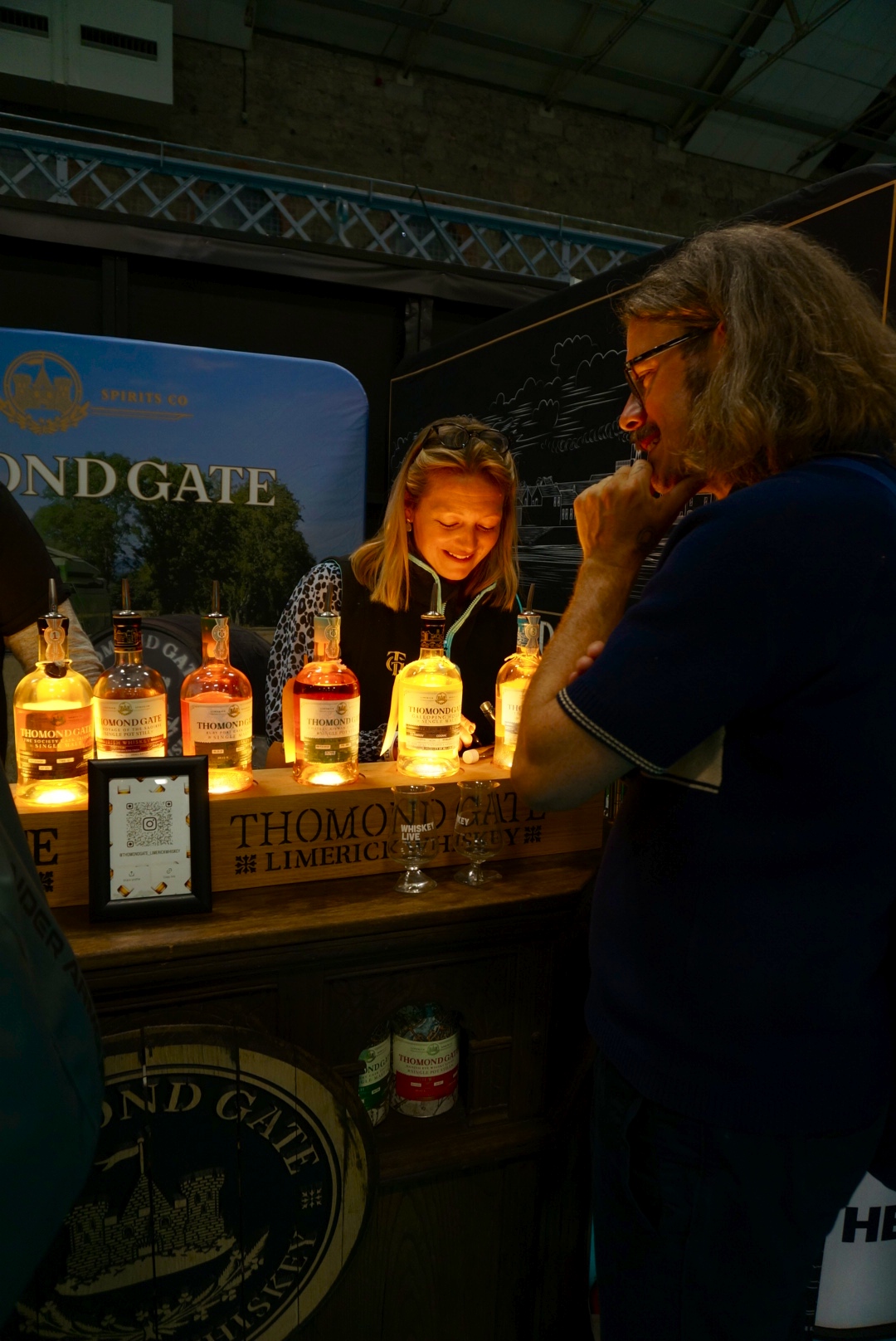
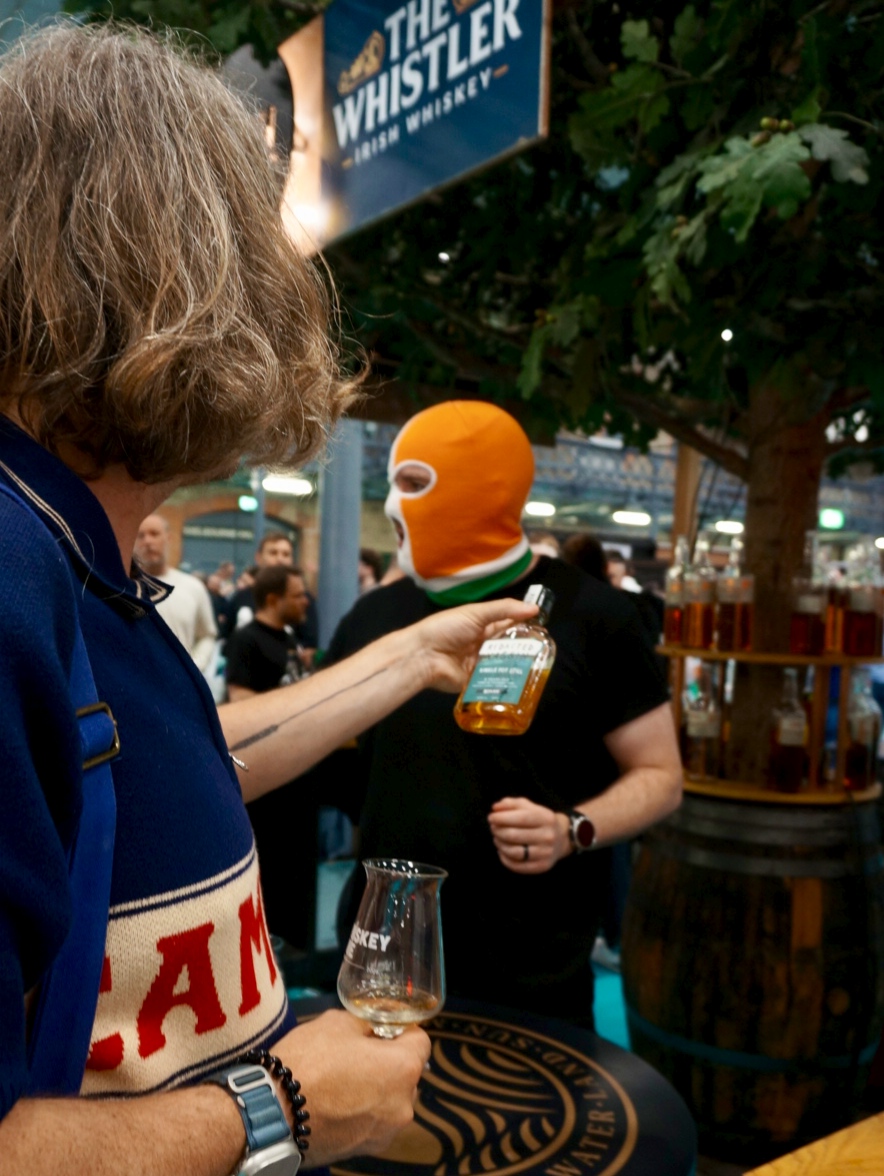
Thanks to Katie Gibson, Head of Sales & Marketing at Celtic Whiskey, for the show tickets and support.


Leave a Reply